Searching for dental assistant programs near me in Topeka? You’re making the right call by looking locally — dental assisting is a hands-on career, and in-person training in a real or simulated clinical setting is dramatically better preparation than an online-only course.
But not all local programs are the same. Here’s what to look for, what to ask, and how to find a program that actually prepares you for the job.
Why “near me” matters for dental assisting
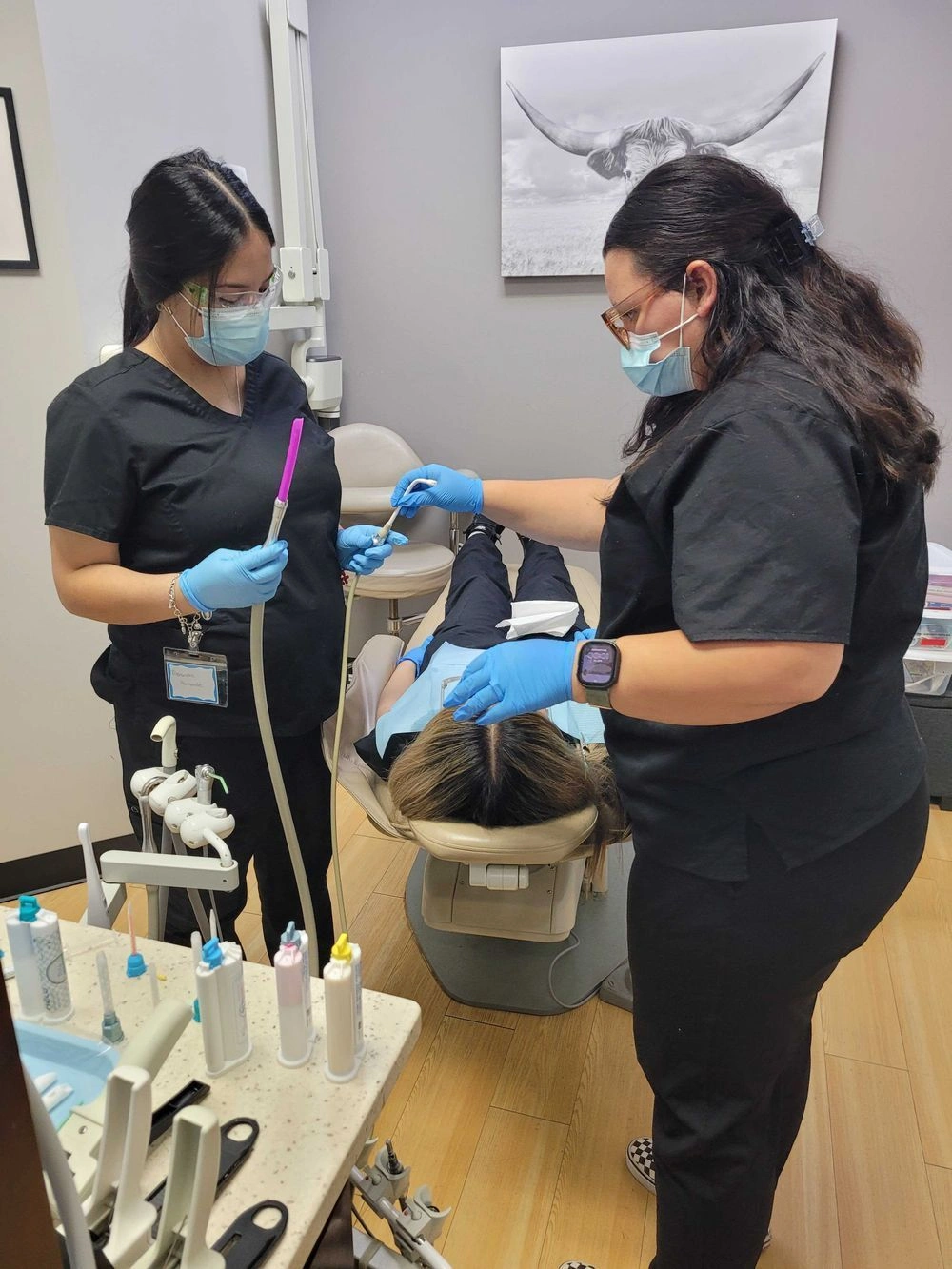
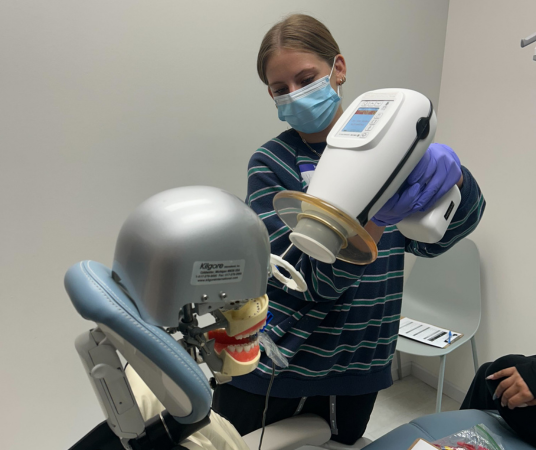
Dental assisting is a physical, hands-on job. You’ll be working with patients in dental chairs, passing instruments during procedures, taking X-rays, and managing infection control protocols — skills you cannot learn through a screen.
A local dental assistant program also means:
- In-person clinical training on real equipment
- Externship placement in dental offices near you — building real-world experience and local professional connections
- Instructors you can talk to directly when questions come up
- A schedule that fits your life — commute times, local hours, and nearby employer networks matter
Proximity isn’t just about convenience. It’s about the quality of your training and the strength of your employment connections after graduation.
Types of dental assistant programs available locally
When you search for dental assistant programs near me in Topeka, you’ll typically find a few different options:
Private vocational or career schools
Focused, accelerated programs — typically 8–16 weeks — that train you specifically for dental assisting. No general education requirements. All clinical and administrative dental skills. These programs get students into the workforce fastest.
Dental assisting programs at community colleges typically run 1–2 years and include general education courses alongside dental training. They may award an associate’s degree. Longer timeline, but some students prefer the structure.
Online-only programs
Fully online dental assisting courses exist, but they can’t adequately teach clinical skills. You can learn theory online, but you can’t develop chairside technique, radiography positioning, or materials handling that way. Be cautious of programs claiming to fully train you without substantial in-person clinical hours.
What to look for in a dental assistant program near you
1. Hands-on clinical training is central, not optional
Ask specifically: how many hours of clinical practice does the program include? Where does that training happen — in a simulated dental operatory, at partner offices, or elsewhere? A program that’s primarily lecture-based or video-based is not giving you what you need.
2. Transparent, all-in tuition
Get a clear, complete tuition number upfront — including registration, materials, supplies, and any additional fees. If a program is vague about costs or keeps adding charges, that’s a warning sign.
3. Flexible payment options
A quality program understands that students have real financial constraints. Look for payment plans that let you pay over the course of training rather than requiring everything upfront or pushing you toward large federal loans.
4. Certification exam preparation
The program should prepare you for relevant credentialing exams — the Registered Dental Assistant (RDA), Radiation Health and Safety (RHS), or Infection Control (ICE) exam. Certification significantly improves your job prospects and starting pay.
5. Career placement support
The best programs help you use your skills after graduation. Look for resume review, interview preparation, and connections to local dental employers built into the program.
6. Instructors with real clinical experience
Instructors who have worked chairside in dental offices teach differently — and better — than those with only academic credentials. Ask about your instructors’ backgrounds.
Questions to ask before you enroll
- What is the exam pass rate for graduates on certification tests?
- What percentage of graduates find dental assisting work within 6 months of finishing?
- Where do externships take place — and do students have input on placement?
- What’s included in the total tuition cost? Are there any additional fees?
- What does a typical week in the program look like?
Programs that answer these questions clearly have nothing to hide. Vague or evasive responses are a signal to keep looking.
Red flags to avoid
- No in-person clinical component — chairside skills can’t be learned online
- Vague or non-disclosed tuition — always get full costs in writing before committing
- No certification exam prep — gaps here mean lower employer confidence in graduates
- No career support — a program that hands you a certificate and says goodbye isn’t serving you
- High-pressure enrollment tactics — reputable programs give you time to consider your decision
Why local externship placement matters
An externship is supervised practice in a real dental office. It’s where everything learned in class gets applied in a live clinical environment, with real patients, under the guidance of working dental professionals.
This experience does two things:
- Consolidates skills — doing the work in a real office is different from a classroom simulation
- Opens job connections — externship offices often hire the assistants they’ve trained, or refer strong candidates to other practices in the area
When your externship placement is near Topeka, you’re building a local professional network from the start — which is a genuine advantage in your job search.
Get started at Topeka Dental Assistant School
Topeka Dental Assistant School is located in Topeka and offers a focused 12-week dental assistant program with hands-on clinical training, externship placement, and career support included.